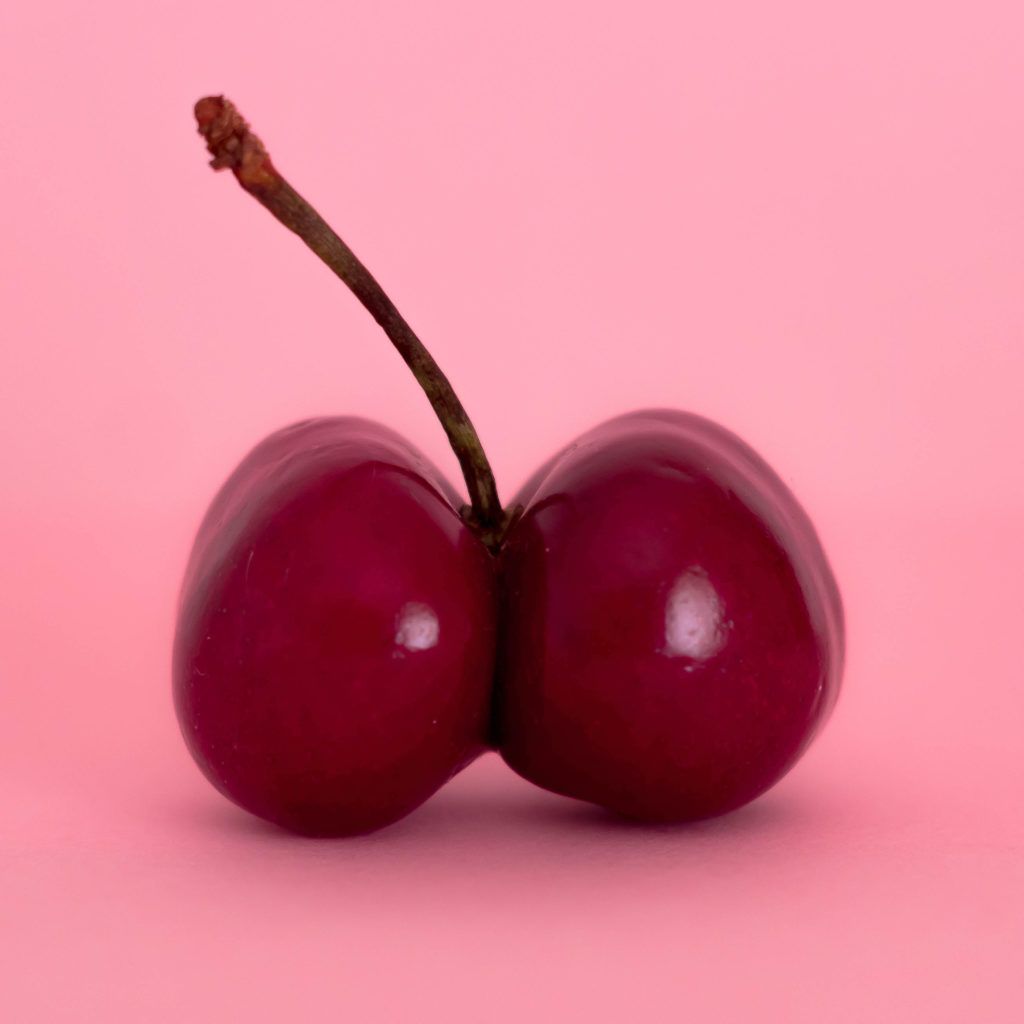
What is symmastia?
Symmastia is the kind of word you only know if it happened to you. And this is usually not a good time. Simply put, it happens when the two breasts on your body meet in the middle, forming a uni-boob as they become one unit. Symmastia is usually the result of breast augmentation surgery, where the implants are too close together and end up lifting the midline skin off the sternal bone.
While it would seem pretty straightforward to just go in and move the implants out to the sides and stick that middle skin back down, this is actually a very difficult thing to accomplish. The skin that is stuck to the bone is stuck right to the bone, and you can’t put stitches in bone. In cases where the implant pocket is under the pectoral muscles, then the open space is between the muscle and the ribs. And you can’t sew a rib either. So while you contemplate how to get this skin to stick back down and recreate the bosom’s firewall, you start to realize that this is a near-impossible task.
How do you treat symmastia?
There have been many techniques suggested for the treatment of symmastia. Some involve sutures or drilling, some involve cadaver skin layers, and others require removing the implant and letting everything heal back in place and then starting over. But nature’s attachments remain irreplaceable, and just letting things heal rarely reproduces the original boundary.
As with all plastic surgery procedures, there are countless surgeons who perform them, and very few who routinely perform the repairs. Repairing an aesthetic surgery problem involves a tremendous amount of experience and foresight, as well as the willingness to fight the good fight and adapt to the situation. These procedures take time, the anatomy is usually scarred and/or distorted, and the results can vary. But I find the struggle to be worthwhile and often very gratifying, especially when you consider that you are taking a person who had an elective procedure done with the best of intentions, and making them whole again.
How I became an expert in symmastia treatment
I never imagined that I would become a symmastia specialist, and I still am not sure that I am one per se. But over the years, I have seen and treated countless patients with varying breast implant complications and malpositions, and I have come to understand the process well. I have also embraced the need to improvise and innovate in order to achieve the unachievable, and this has been a great satisfaction. It’s like one of my college friends once said, “Breasts are like martinis. One is too few, and three is too many.”
Take-home messages about symmastia:
- Symmastia can occur during or after a breast augmentation procedure
- It happens when the skin between the breasts lifts off the chest wall
- Because this is a hard area to access and operate on, symmastia is hard to fix
- Very advanced surgical techniques and a lot of experience are required to reattach the skin to the chest wall
Why I enjoy repairing symmastia
I find symmastia repair to be one of the more challenging procedures in plastic surgery. Having worked on this for many years, I am comfortable with my approach, and find the results extremely gratifying. Let’s face it, no one wants a uni-boob. I love being able to give patients a natural look in general with all of my procedures, but being able to fix a problem that most surgeons could not fix is a personal victory.